A Remote Gulf Coast Outpost
In the mid-1880s, a group of investors from Louisville, Kentucky sailed past miles of mangrove shoreline and discovered a broad bay sheltered behind a narrow beach. They believed they had found paradise.
General John S. Williams, a former U.S. Senator from Kentucky, and Walter N. Haldeman, publisher of the Louisville Courier-Journal, chartered a boat in 1885 to explore Southwest Florida's coast. When they reached the area that would become Naples, they found miles of white-sand beach backed by a protected bay—an ideal setting for the winter resort community they envisioned.
In 1886, the Naples Town Improvement Company was formed to develop the new community as a winter retreat. The company acquired approximately 3,700 acres between the Gulf and Naples Bay, and the settlement that emerged became known as Naples—named, it is said, for the Italian coast that its founders believed it resembled. From mangroves and sand, they set about building a town.
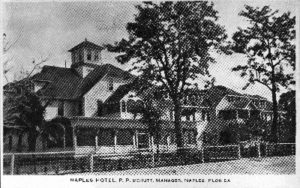
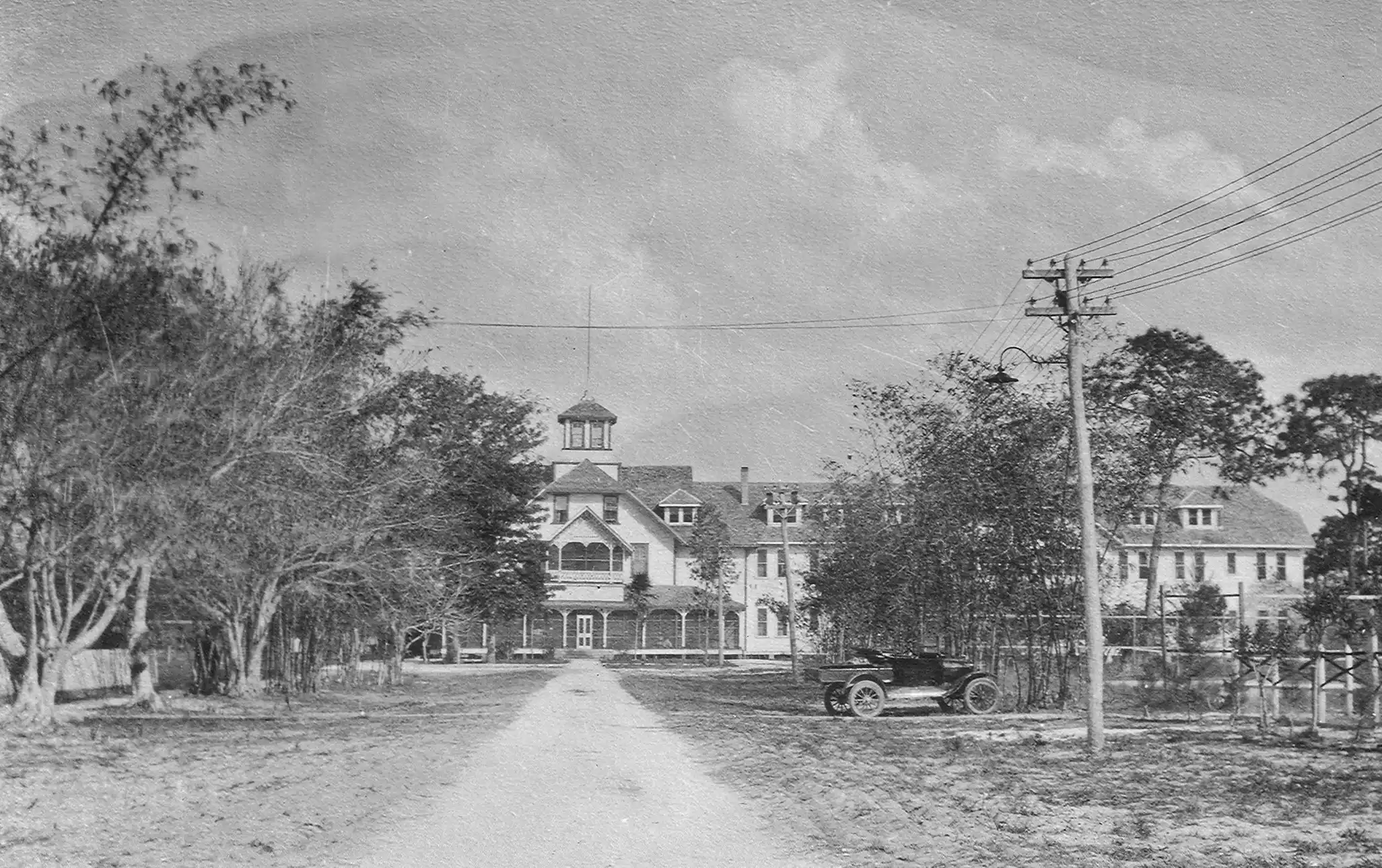
The 600-foot Naples Pier was built in 1888, becoming the young community's vital connection to the outside world. The Naples Hotel opened nearby in 1889, about two blocks inland from the pier at the narrowest strip of land between the beach and the bay. The pier served as the community's lifeline—passengers, mail, and supplies all arrived by boat, since there were no roads connecting Naples to the rest of Florida.
By 1890, the Naples Town Improvement Company was running short on funds. Walter Haldeman, who had invested heavily, bought the entire company at public auction on the steps of the Naples Hotel for $50,000—including the hotel, the pier, the steamship Fearless, and thousands of acres of land. He ran the town as what historians have called "a loving hobby," promoting Naples as a winter retreat for Northerners willing to make the difficult journey.
Explore Local Businesses Near Naples
Own a Naples business? Your business could appear here as this local guide grows.
Your Naples Business Could Be Featured Here
Own a restaurant, shop, service business, attraction, or local experience in Naples? Join Here in SWFL and make it easier for locals and visitors to discover your business.
Help More People Discover Your Naples Business
Get your business listed on Here in SWFL and become part of the growing local guide for Naples and Southwest Florida.
The Naples Pier and Working Waterfront
The original Naples Pier, built in 1888 by Walter Haldeman and Captain James Canty, stretched 600 feet into the Gulf of Mexico. In a community with no roads, no railroad, and no neighbors for miles, the pier was everything. It was the arrival point for visitors, mail, supplies, and food—the sole connection between the young settlement and the outside world.
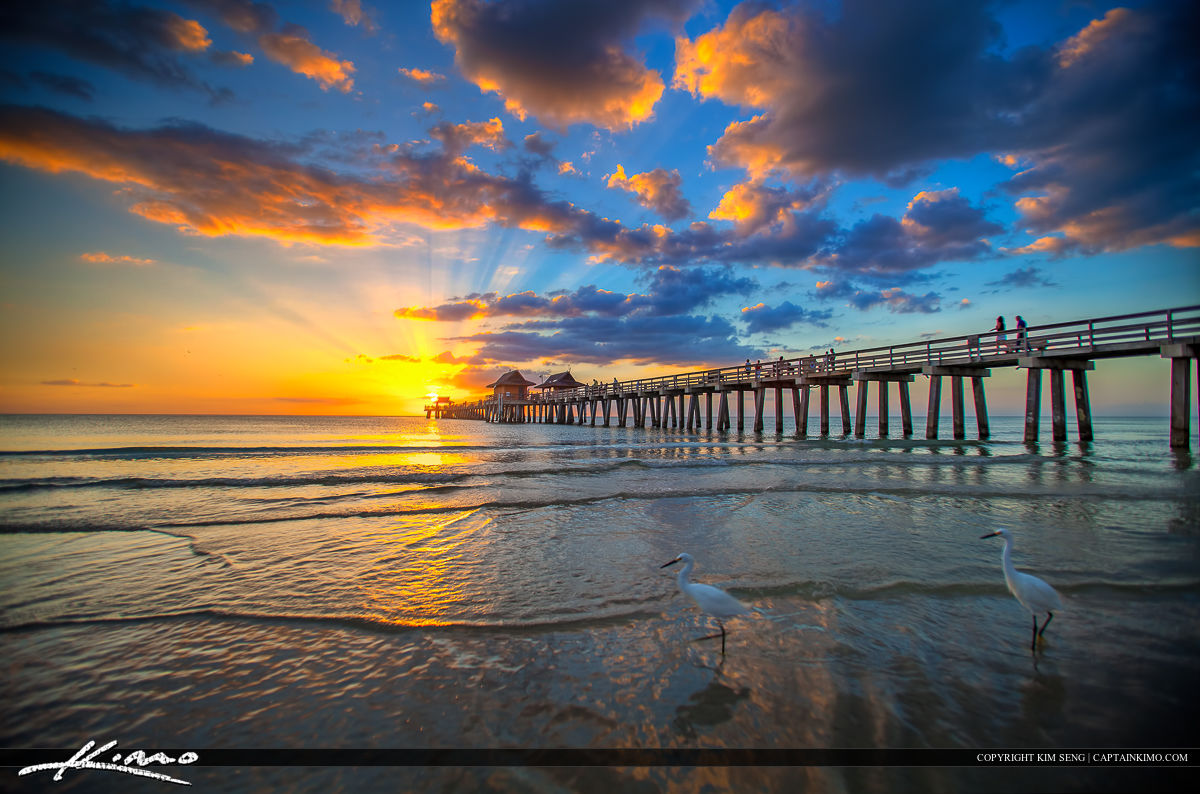
The pier stood until 1910, when it was damaged and subsequently reconstructed. Over the decades, the pier has been rebuilt repeatedly after storms and hurricanes, including Hurricane Donna in 1960. Hurricane Ian caused catastrophic damage on September 28, 2022, and the City of Naples is now rebuilding the landmark once again. For generations, the pier has served as one of Naples' most recognizable gathering places for fishing, sightseeing, and Gulf sunsets.
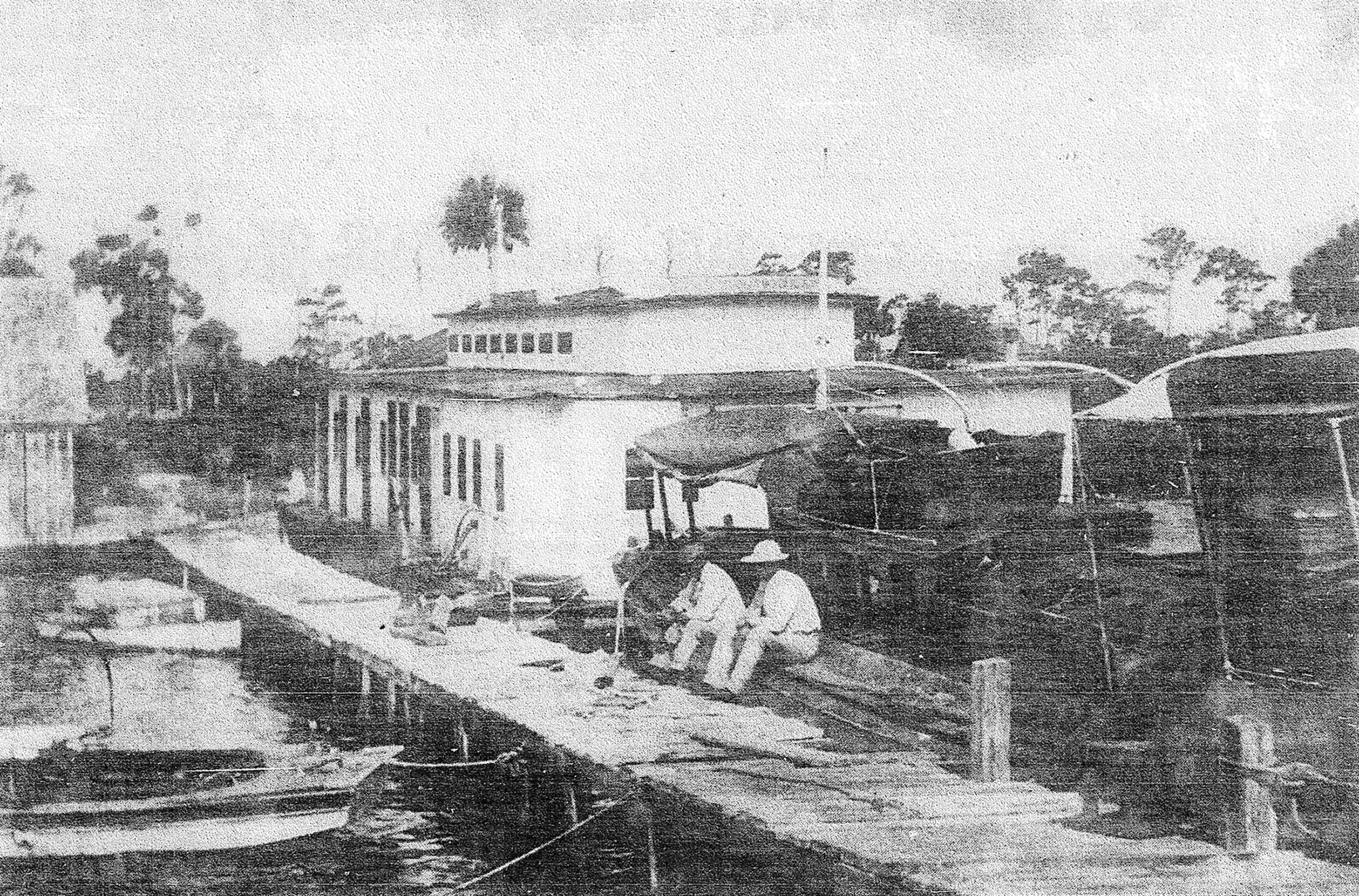
Alongside the pier, the early waterfront around Naples Bay supported commercial fishing and boat building. For the first residents, the Gulf and the bay were not scenery—they were a livelihood. Fish, clams, and other seafood were harvested and traded, and the working waterfront helped sustain the community through its most isolated early years.
Getting to Naples: Boats, Trains, and the Tamiami Trail
For decades, the only practical way to reach Naples was by water. Visitors from Fort Myers or Tampa arrived by steamship, docking at the pier. The journey could take the better part of a day, and the community's isolation kept it small and quiet.
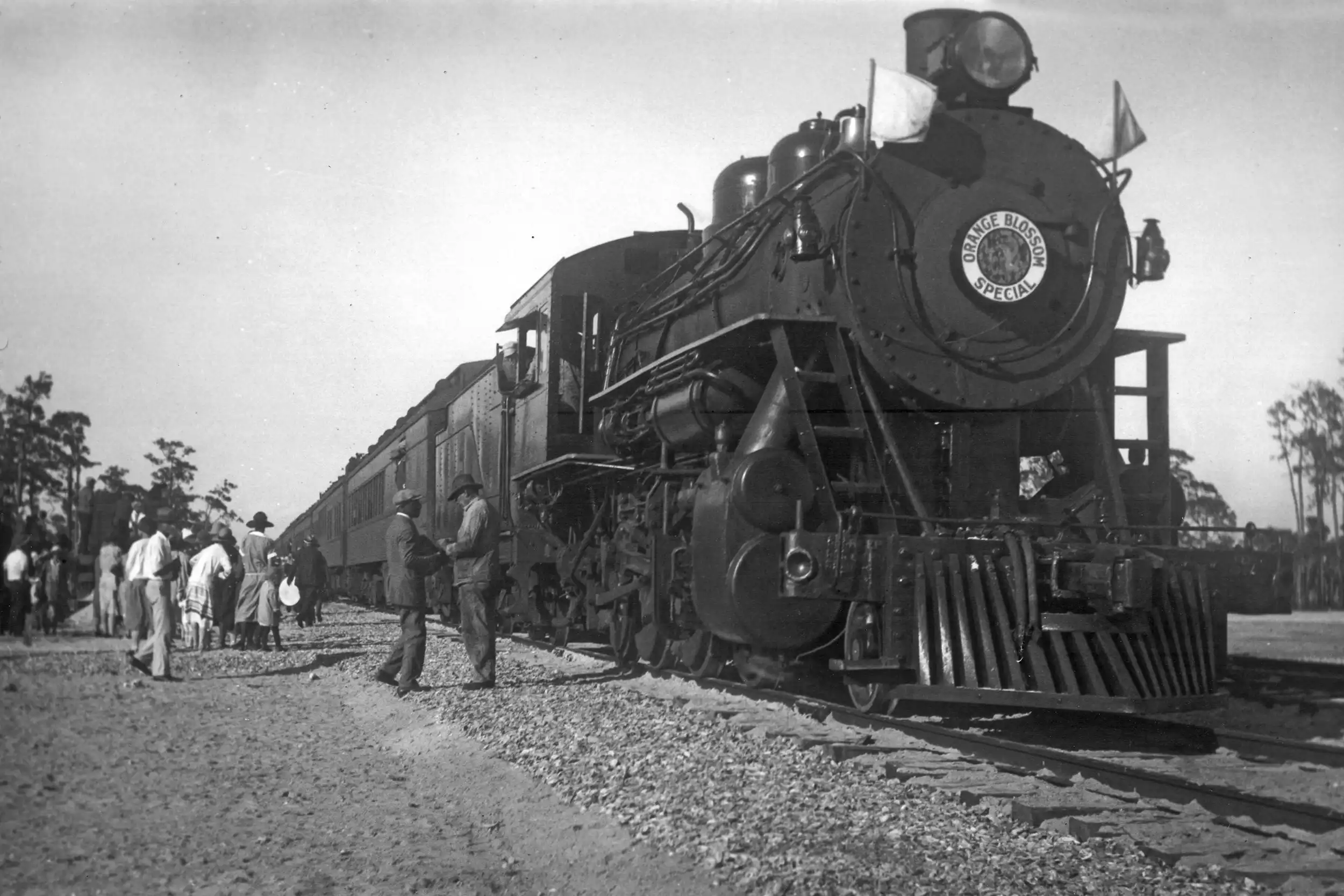
On January 7, 1927, the Orange Blossom Special—the Seaboard Air Line Railway's famous luxury train—first rolled into the Naples passenger station, bringing regular passenger rail service to Naples.
The following year, 1928, brought another transformative milestone: the completion of the Tamiami Trail (U.S. 41), the paved highway that finally linked Naples, Fort Myers, and the rest of Southwest Florida to Miami. The junction of Fifth Avenue South and 9th Street South—where the Trail met Naples' main street—became known as "Four Corners," and in 1948, Naples' first traffic light was installed there.
The railroad service was discontinued in 1971, but the restored Naples Depot Museum now welcomes visitors back to the railroading boom days of the Roaring Twenties, telling the story of how generations of Southwest Floridians used trade and travel to transform Naples into the destination it is today.
Fifth Avenue South: Naples' Main Street
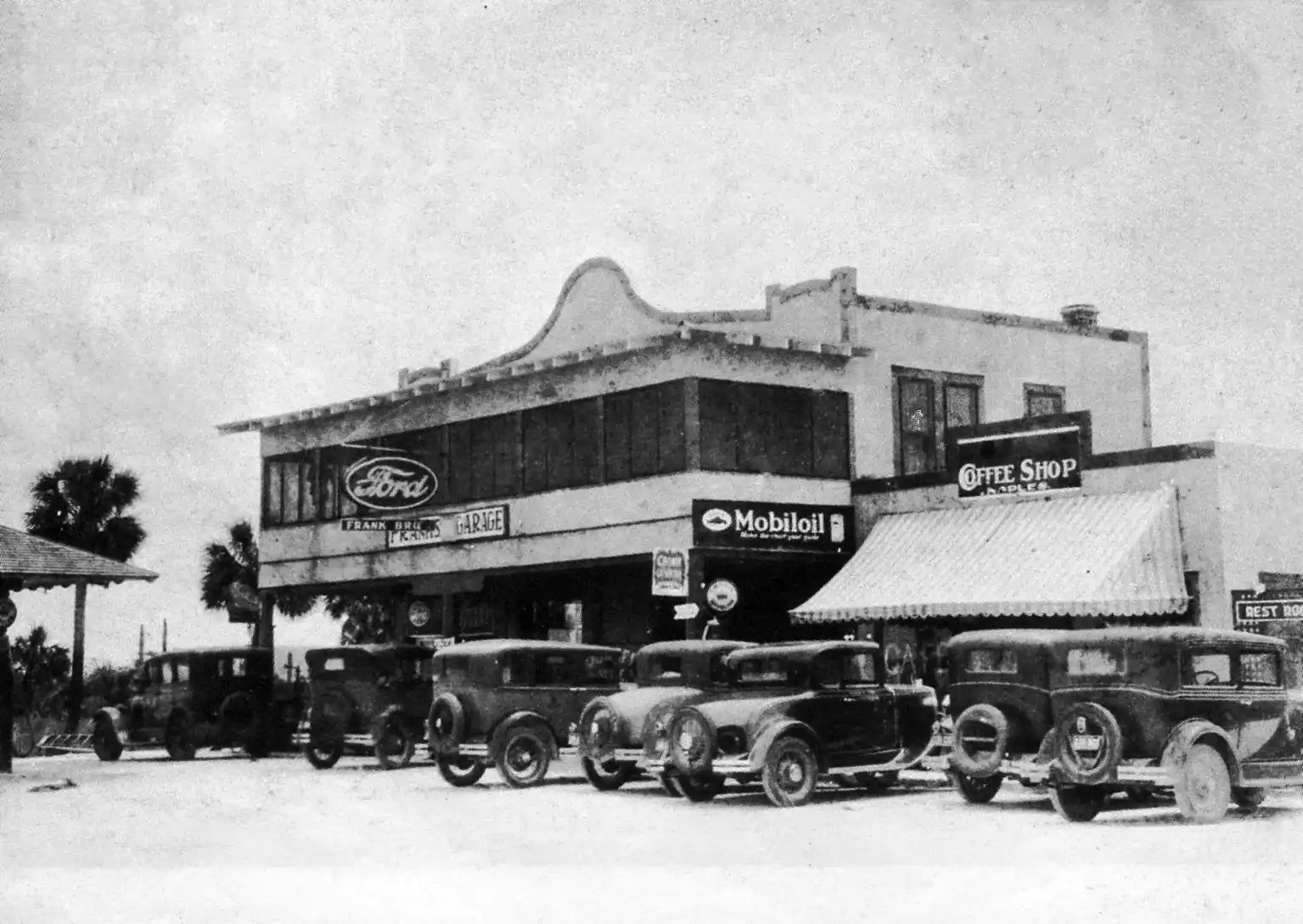
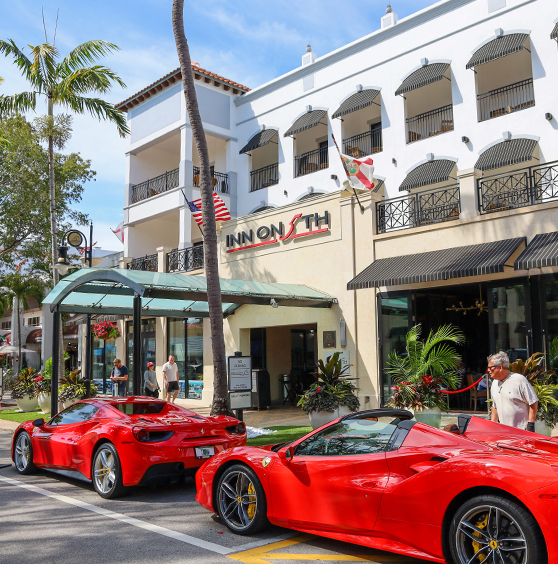
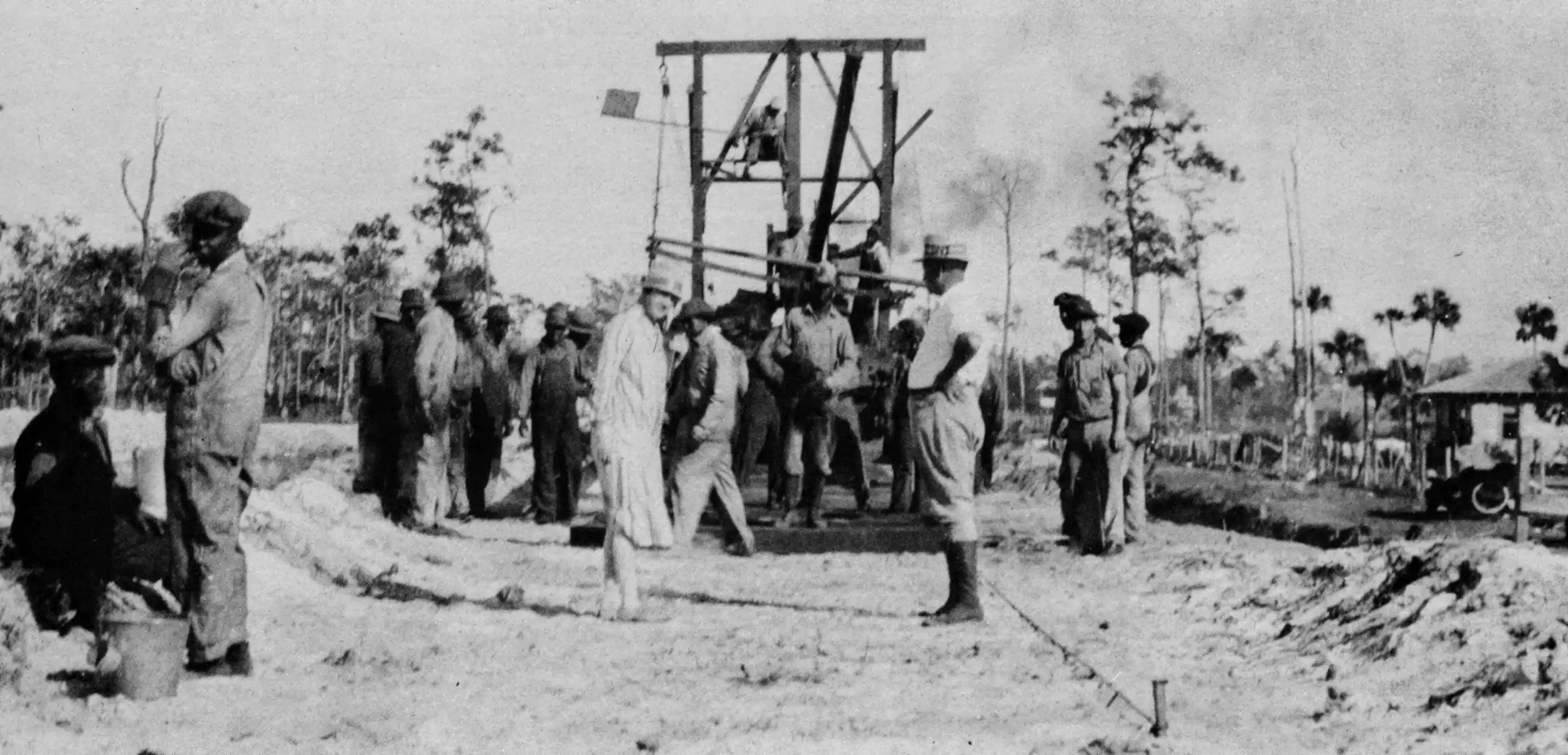
Since the 1920s, Fifth Avenue South has been Naples' unofficial "Main Street." In those early years, it consisted of just a few businesses clustered around 9th Street South: Ed Frank's Garage, the Chamber of Commerce, the telephone company, the train depot, Hixon's Sundries, and Club 41.
Ed Frank was one of the first settlers in the area. His garage, built in 1923, was the first commercial building on Fifth Avenue South. The Frank family lived upstairs, and—according to local history—Mrs. Frank would throw table scraps to alligators in the swamp below. Ed Frank also owned Naples' first car dealership and is locally credited with developing an early swamp buggy, a vehicle that became essential for navigating Southwest Florida's wet terrain.
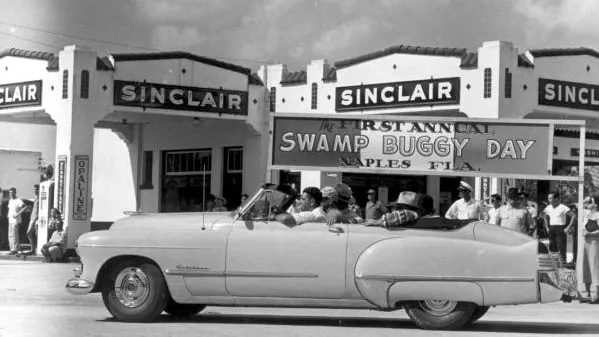
The 1940s and 1950s brought further growth. The Bank of Naples opened on Fifth Avenue South in 1949—assistant cashier Mamie Tooke, often called the "Mother of Naples," helped residents learn to budget and save, and many of those early depositors became large landowners. The Sunshine Supermarket opened at Fifth Avenue and 7th Street, and the Wynn family's business eventually grew into Sunshine Ace Hardware and Wynn's Market, still part of downtown today.
By the early 1990s, Fifth Avenue South faced competition from newer shopping centers on the outskirts of town. Civic leaders enlisted renowned urban planner Andrés Duany to help reimagine the district. The result was a transformation into Southwest Florida's premier shopping, dining, and cultural destination—a street that still feels like the heart of Naples.
Naples: Then & Now
Some places in Naples have changed almost beyond recognition. Others remain surprisingly recognizable. These comparisons show how far the community has come—and what endures.
Naples Pier
The pier has been rebuilt many times, but its location and purpose—stretching into the Gulf as a gathering place—have remained constant for over 130 years.
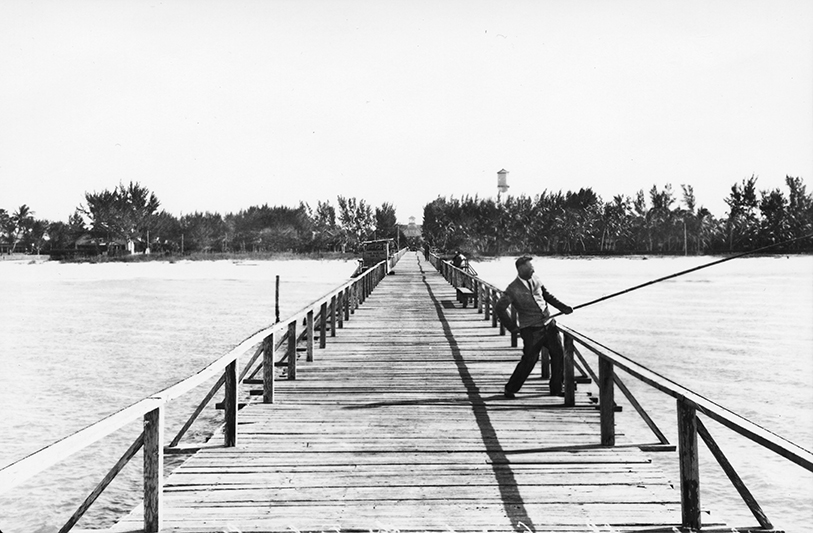
An early view of the Naples Pier. First built in 1888, the pier became a vital connection between the young Naples community and the outside world.
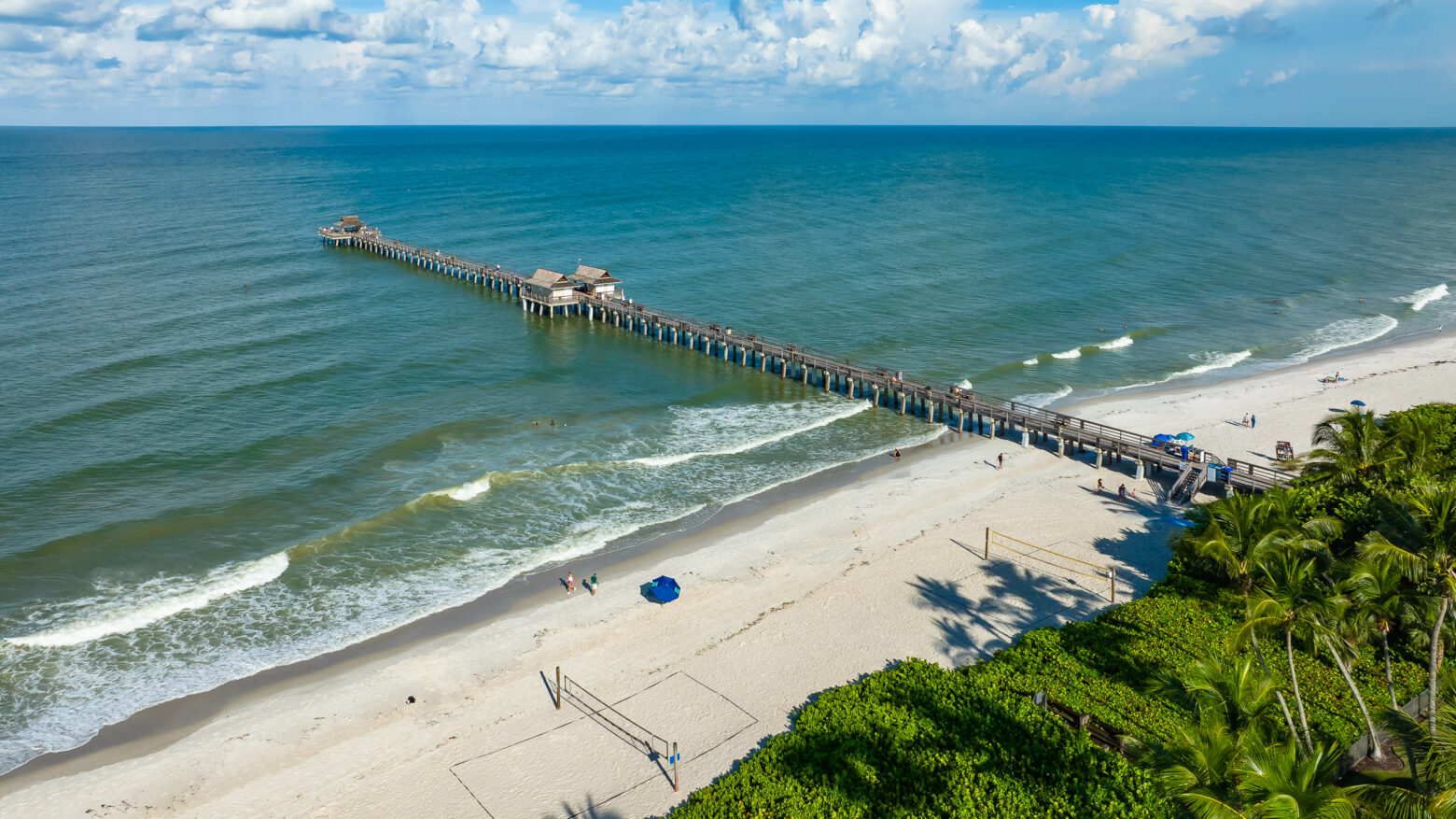
Naples Pier before Hurricane Ian in 2022, when the landmark still extended fully into the Gulf.
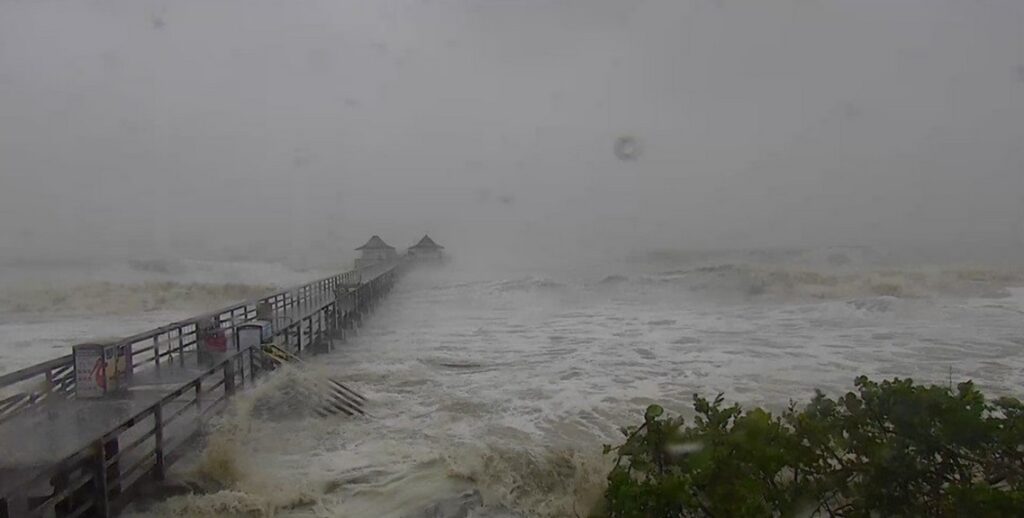
Naples Pier during Hurricane Ian on September 28, 2022, as powerful storm surge and waves battered the historic structure.
Hurricane Ian caused catastrophic damage to the Naples Pier on September 28, 2022. More than 130 years after the first pier was built, Naples is rebuilding the landmark once again, continuing a long history of restoring one of the city's strongest connections to the Gulf.
Fifth Avenue South
From Ed Frank's Garage and dirt roads to a premier dining and cultural district, Fifth Avenue South has been Naples' main street for a century.
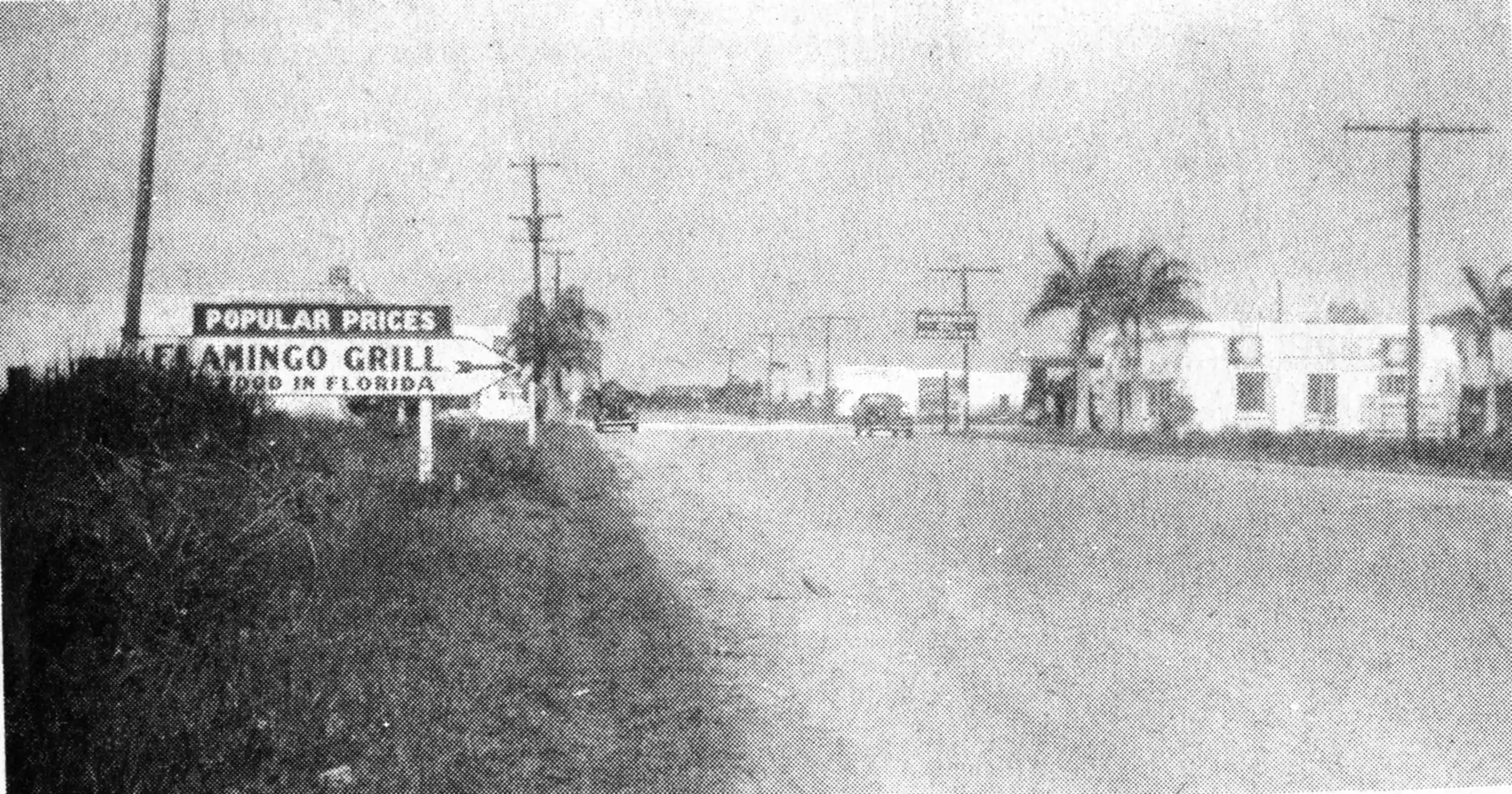
Fifth Avenue South looking west from the Tamiami Trail in 1937, when Naples' main commercial corridor was still taking shape.
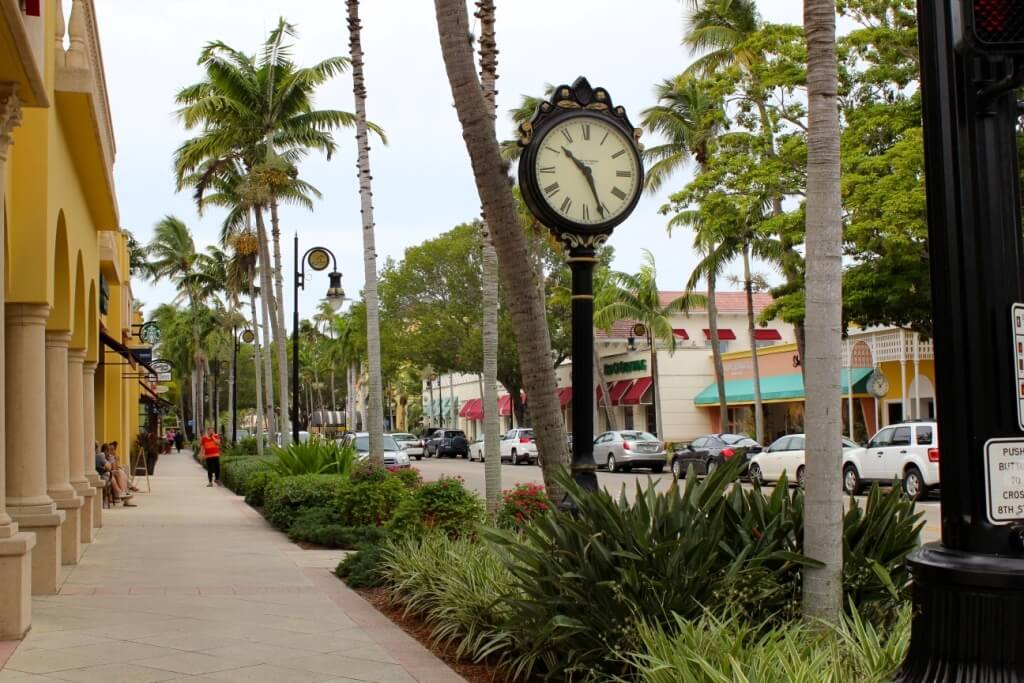
Fifth Avenue South today—an active palm-lined shopping, dining, and pedestrian corridor in the heart of Naples.
The Waterfront
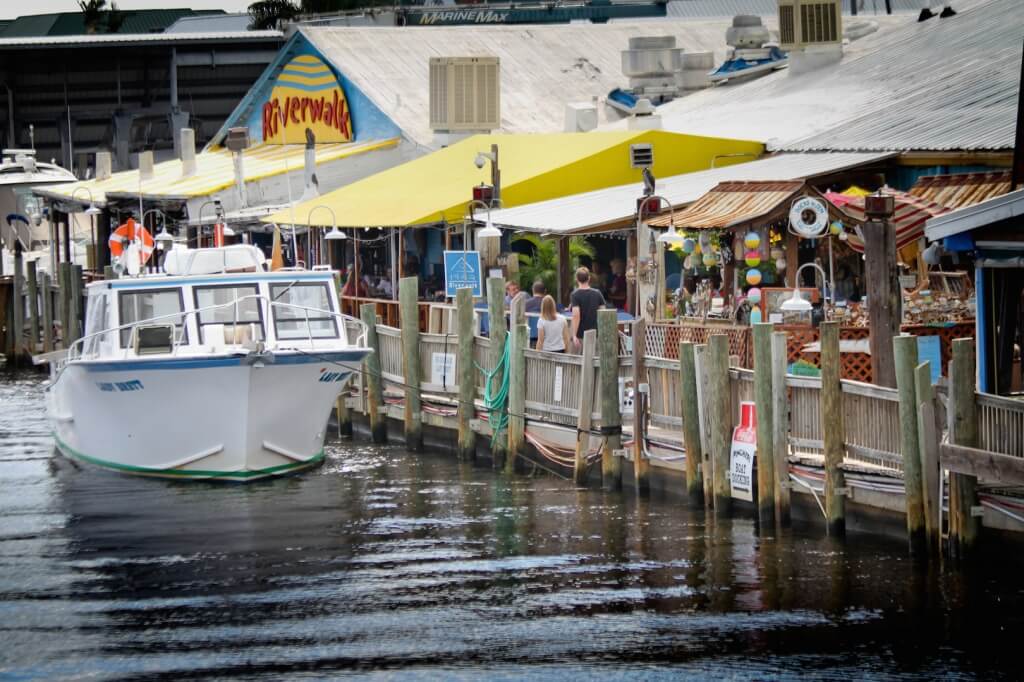
Naples' waterfront evolved from working docks, commercial fishing, and boat traffic into a mix of marinas, waterfront dining, residences, and recreational boating. Naples Bay remains one of the community's defining features.
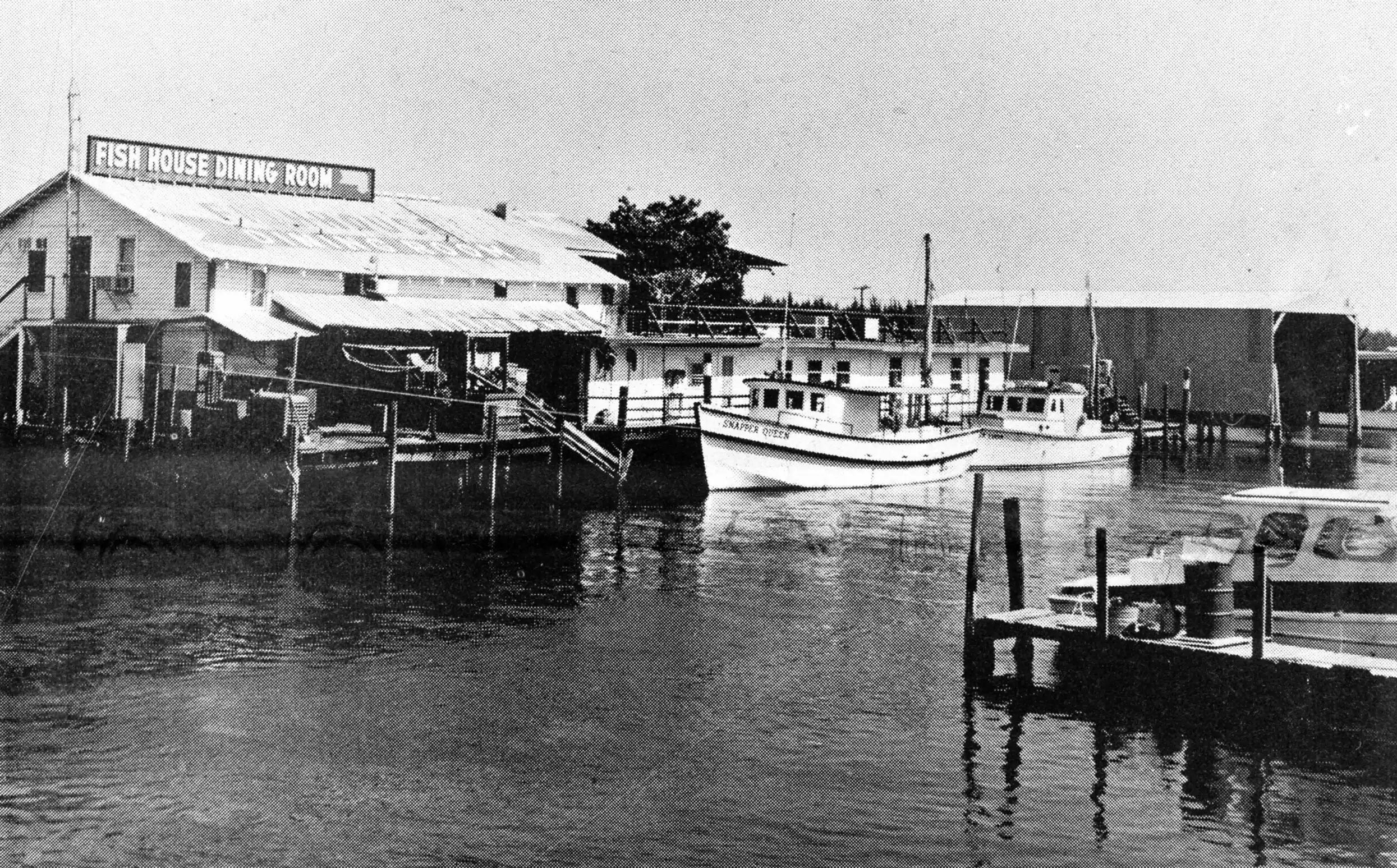
Pat Combs' Fish House Dining Room on Naples Bay in 1953, reflecting the working waterfront of boats, fishing, and waterfront commerce that shaped early Naples.
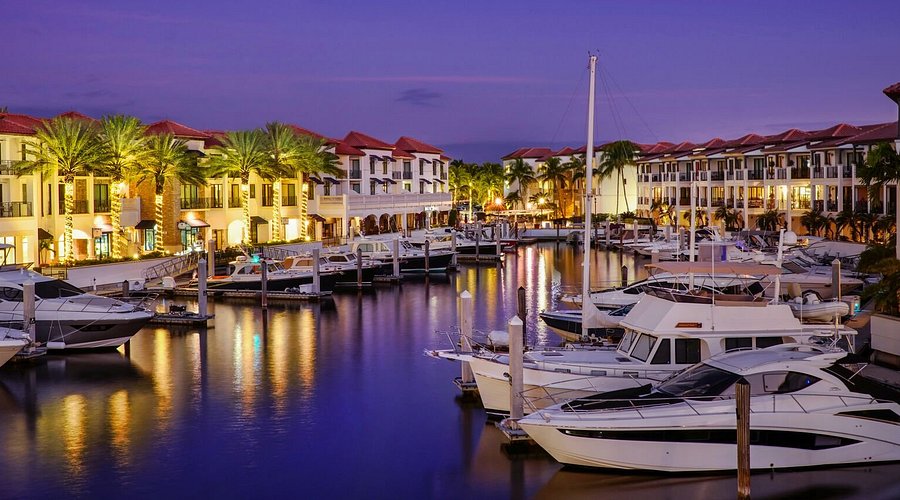
Naples Bay today—marinas, waterfront residences, dining, and recreational boating now line much of the same shoreline once defined by commercial fishing and working docks.
Discover More Around Naples
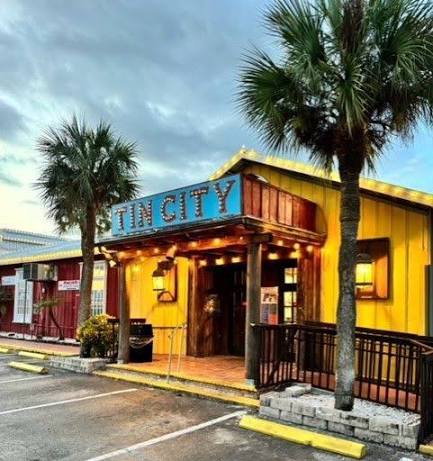
Your Naples Business Could Be Featured Here
Want your business featured inside our Naples stories and local guides? Join Here in SWFL and give locals and visitors another way to discover what you offer.
Naples Today: History Still Visible
The Naples that Walter Haldeman and General Williams surveyed from the deck of their chartered boat in 1885 would be almost unrecognizable to them today. The population has grown from a handful of hardy settlers to tens of thousands of residents. The dirt path that was Fifth Avenue South is now a tree-lined boulevard of restaurants, galleries, and boutiques. The pier that once served as the community's lifeline later became a beloved destination for fishing, sightseeing, and Gulf sunsets, and its reconstruction continues that long relationship between Naples and the waterfront.
But pieces of the old Naples remain. The Naples Pier, severely damaged by Hurricane Ian and now being rebuilt once again, remains one of the community's strongest links to its beginnings. The Naples Depot Museum stands restored, a reminder of the railroad that opened the town to the world. Fifth Avenue South still functions as Naples' main street, just as it has for a century. And Naples Bay—sheltered behind the beach that first attracted those Louisville investors—still defines the community's character.
Naples' story is a Southwest Florida story: a place shaped by water, built by people who saw potential where others saw only mangroves and isolation, and transformed by the roads, rails, and runways that finally connected it to the world—while never quite losing the character that made it worth visiting in the first place.
Hungry for More Southwest Florida?
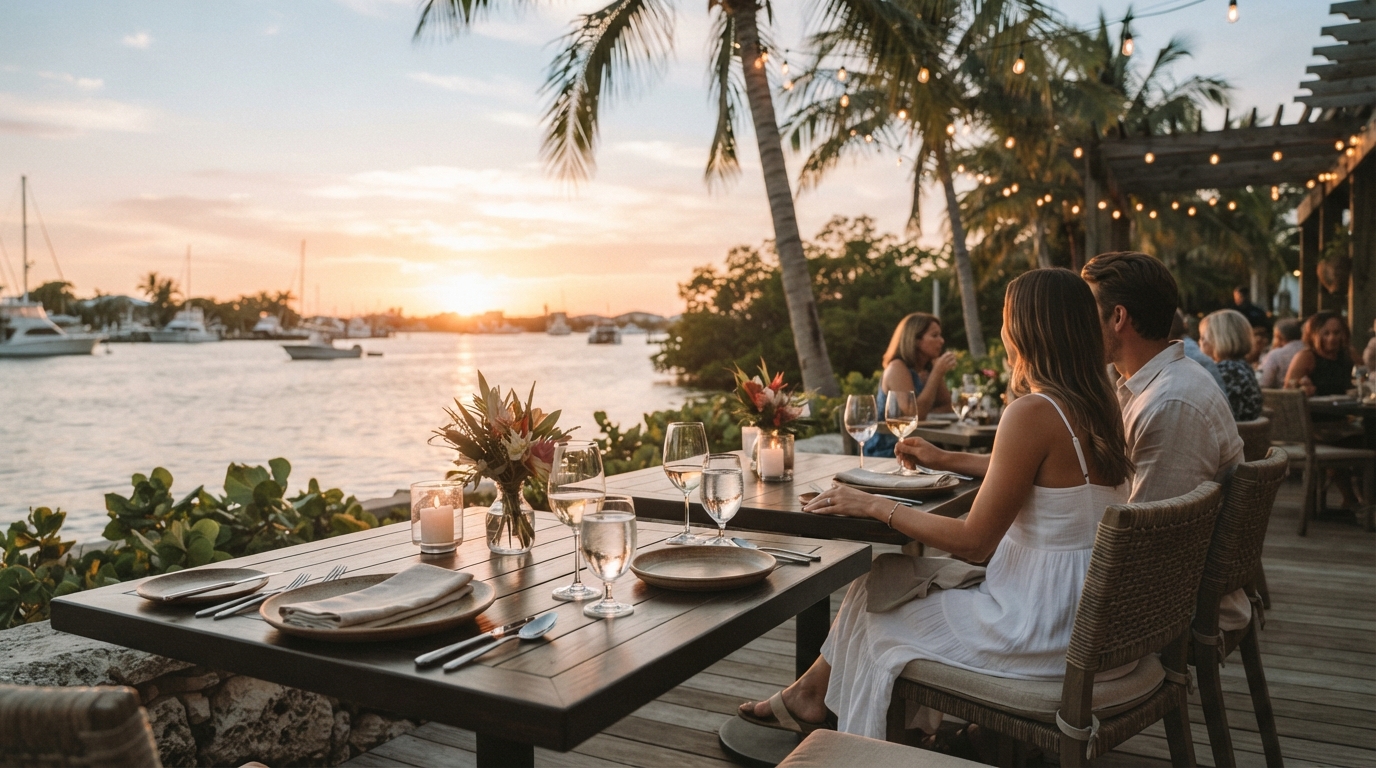
Explore local restaurants, waterfront dining, sports bars, and more across Southwest Florida.
More Local Businesses to Discover




Sources & Explore More

Historical photographs and research used throughout this story include material from the City of Naples Centennial collection.
Discover Southwest Florida is built & powered by Better Solutions AI.
Own a Business in Southwest Florida?
Get your business listed on Here in SWFL and connect with local residents and visitors searching for services across the region. A free local business listing is available to get started.